 By masoodahmad6258@gmail.com
 Motorcycles offer freedom, speed, and excitement that few other vehicles can match. For many riders, a bike is not just transportation — it’s a lifestyle. But along with this freedom comes higher risk. This often leads to a common question: Is motorcycle insurance really worth it?
In this article, we’ll explore what motorcycle insurance is, its advantages and disadvantages, and help you decide whether it’s the right investment for you.
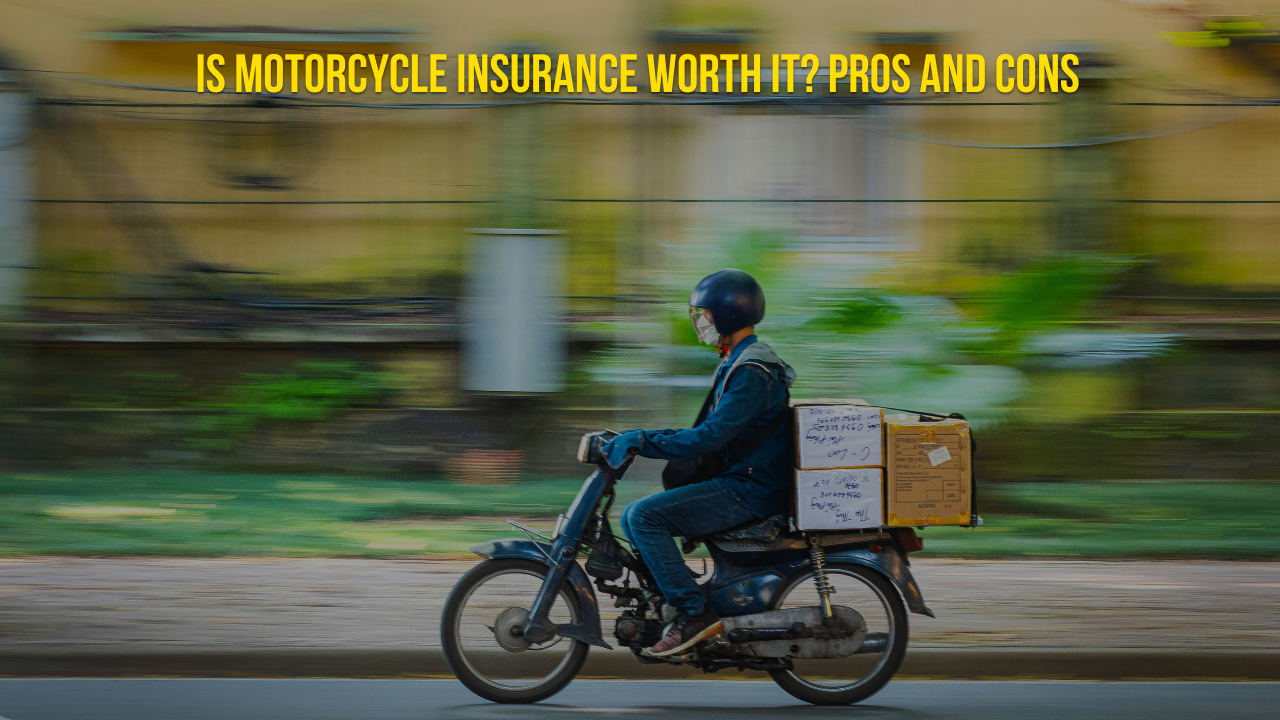
Motorcycle insurance is a type of vehicle insurance that provides financial protection in case of accidents, theft, damage, or liability. Just like car insurance, it can cover damage to your bike, injuries to you and others, and property damage.
Most policies can be customized based on your needs, offering coverage such as third-party liability, comprehensive protection, collision coverage, and personal accident benefits. The level of coverage you choose determines both your premium and your financial protection.
Riding a motorcycle is riskier than driving a car. Motorcycles provide less physical protection, making riders more vulnerable to injuries in accidents. Road conditions, weather changes, and the behavior of other drivers can significantly impact rider safety.
Because of this higher risk, motorcycle insurance isn’t just about property damage — it’s about protecting your health, finances, and legal responsibilities.
Let’s start with the key benefits of motorcycle insurance.
One of the biggest advantages of motorcycle insurance is financial protection. Accidents can result in expensive hospital bills, bike repair costs, and legal fees.
Without insurance, you would have to pay these expenses out of your own pocket. Even a minor accident can lead to thousands of dollars in unexpected costs. Insurance acts as a financial safety net.
In many countries and regions, having at least basic motorcycle insurance is mandatory by law. Riding without insurance can result in heavy fines, license suspension, or even legal action.
Beyond legality, insurance offers peace of mind. Knowing you are protected allows you to enjoy your rides without constant stress about “what if” scenarios.
Motorcycles are easier to steal than cars due to their size and portability. A comprehensive insurance policy can cover theft, vandalism, fire, floods, and other natural disasters.
If your bike is stolen or damaged beyond repair, insurance can help you recover the financial loss.
If you accidentally injure someone or damage another person’s property, you could be legally responsible for compensation. Motorcycle insurance covers third-party liabilities, protecting you from lawsuits and financial ruin.
This is especially important in serious accidents where legal and medical costs can be extremely high.
Insurance providers often offer optional add-ons such as roadside assistance, zero depreciation cover, helmet and riding gear protection, and personal accident riders. These extras can greatly enhance your overall protection.
While motorcycle insurance offers many benefits, it also has some downsides that you should consider.
One of the main disadvantages is the cost. Premiums can feel expensive, especially for young riders or owners of high-performance bikes. Your riding history, location, and type of motorcycle also affect the premium.
For someone who rides only occasionally, the cost may seem like an unnecessary expense.
Even with insurance, you may still have to pay deductibles or co-payments when filing a claim. This means insurance doesn’t always cover 100% of your expenses.
Some riders feel disappointed when they realize they still have to spend money even after paying premiums.
Filing an insurance claim sometimes involves paperwork, inspections, and waiting periods. The process can be stressful, especially if you urgently need your motorcycle repaired.
Delays in claim approval or disputes over coverage can be frustrating for policyholders.
Not all motorcycle insurance policies offer complete protection. Basic or low-cost plans may exclude certain types of damage, accessories, or riding situations.
This means you might think you’re protected, only to discover gaps in coverage when you actually need help.
The value of motorcycle insurance depends on several personal factors.
If you ride daily, commute long distances, or travel through high-traffic areas, insurance is highly recommended. Frequent riders face higher risks and are more likely to benefit from coverage.
If you own an expensive motorcycle, customized bike, or high-performance model, insurance is worth it to protect your investment.
If you occasionally ride a low-value bike in low-risk areas, you might feel tempted to skip coverage — but even then, legal requirements and third-party risks make at least basic insurance a wise choice.
If cost is your main concern, here are some smart ways to lower your premium:
Choose a higher deductible if you can afford small repairs yourself
Install anti-theft devices
Maintain a clean riding record
Bundle your motorcycle insurance with other policies
Select only the add-ons you actually need
These steps can help balance affordability with adequate protection.
Imagine a situation where a car suddenly changes lanes and hits your motorcycle. Without insurance, you may have to pay for your own injuries and bike repairs. With insurance, most of these costs are covered.
Or consider a case where your parked motorcycle gets stolen. Insurance can help you recover a large portion of the bike’s value, preventing major financial loss.
These real-world examples highlight why many riders consider motorcycle insurance a necessity rather than an option.
So, is motorcycle insurance worth it? For most riders, the answer is yes. The financial protection, legal coverage, and peace of mind it provides often outweigh the cost of premiums and minor inconveniences.
While it does have some downsides, the risks of riding without insurance are far greater. Motorcycle insurance is not just about protecting your bike — it’s about protecting your life, your finances, and your future.